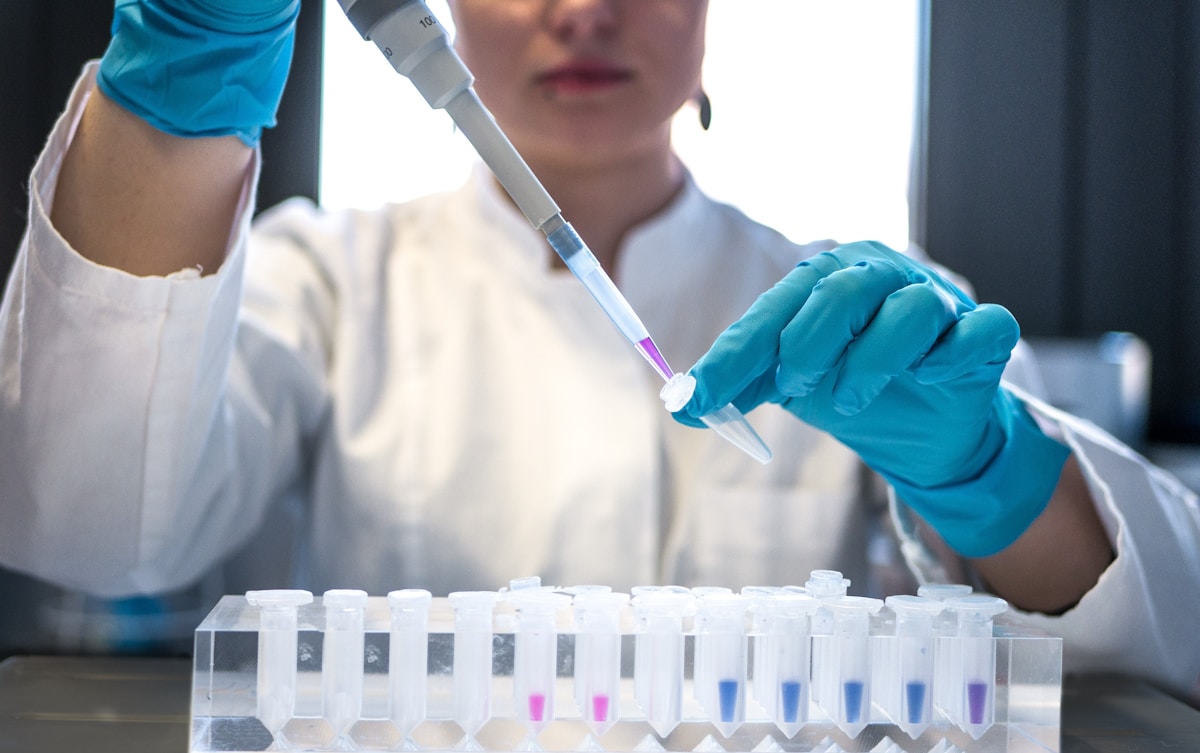
PN skin boosters are rapidly overtaking hyaluronic acid as the go-to injectable treatment. Understand the difference between topical and injectable forms.
Polynucleotides (PN) are the longer-chain relatives of PDRN. While PDRN refers to shorter DNA fragments (typically under 1500 kDa), polynucleotides are higher-molecular-weight DNA polymers derived from the same salmon source. The distinction matters clinically: injectable PN products like REJURAN, Nucleofill, Plinest, and Ameela have become the fastest-growing category in aesthetic medicine, often described as a generation beyond hyaluronic acid fillers.
Why PN Skin Boosters Are Replacing HA
Hyaluronic acid (HA) skin boosters like Juvederm Volite and Restylane Skin Booster hydrate the dermis and improve skin quality for 6–9 months. Polynucleotide boosters do something different: rather than simply adding volume or water, they stimulate the skin's own regenerative machinery. PN activates fibroblasts to produce new collagen and elastin. Studies consistently show improvements not just in hydration, but in dermal thickness, elasticity, and skin architecture — suggesting genuine structural remodelling rather than temporary filling.
Key Brands and What They Contain
REJURAN (South Korea) was the first widely adopted PN skin booster and remains the clinical benchmark. It contains salmon-derived polynucleotides at a concentration designed for intradermal injection. Nucleofill (Italy) offers a range of molecular weight formulations for different depths and indications. Plinest and Ameela are newer European PN formulations gaining traction in UK and European aesthetic clinics. Topical PN products — largely serums and ampoules from Korean skincare brands — deliver lower concentrations but offer an accessible entry point for daily maintenance.
What a PN Skin Booster Treatment Involves
A clinical PN treatment typically involves a series of 3–4 sessions spaced 2–4 weeks apart. The practitioner uses a fine needle to administer multiple microinjections across the treatment area — most commonly the face, neck, décolletage, or hands. Topical anaesthetic cream is applied beforehand; most patients describe mild discomfort comparable to other injectable treatments. Redness and small injection-point bumps are normal and resolve within a few hours to two days.
Clinical Evidence for PN Injections
A 2021 prospective clinical study in the Journal of Drugs in Dermatology found that PN injections produced a significant increase in skin hydration (measured by corneometry), with 82% of participants rating improvement at 8 weeks. A 2022 pilot study found a 23% increase in ultrasound-measured dermal thickness after 8 weeks of topical 1.5% polynucleotide application. The mechanism — fibroblast activation via A2AR — is well-characterised and consistent across multiple research groups.
How to Use Topical PN Products
For topical polynucleotide serums, apply 2–3 drops to cleansed skin morning and evening. The ingredient works cumulatively — most users report visible changes in skin texture and plumpness after 4–6 weeks of consistent use. Pair with a ceramide-rich moisturiser to support the barrier, and SPF 50 during the day to protect the collagen and elastin the PN is helping your skin build.
Editorial note: This article is for educational purposes only and does not constitute medical advice. The research cited is accurately referenced but skincare responses vary individually. Consult a qualified dermatologist before making significant changes to your skincare regimen.